The Hidden Link Between Hydration and Muscle Recovery
Muscle soreness after a workout, stiffness after long working hours, or fatigue that lingers longer than expected, most people assume these are normal. They stretch, rest, or apply temporary remedies. But one critical factor is often overlooked: hydration.
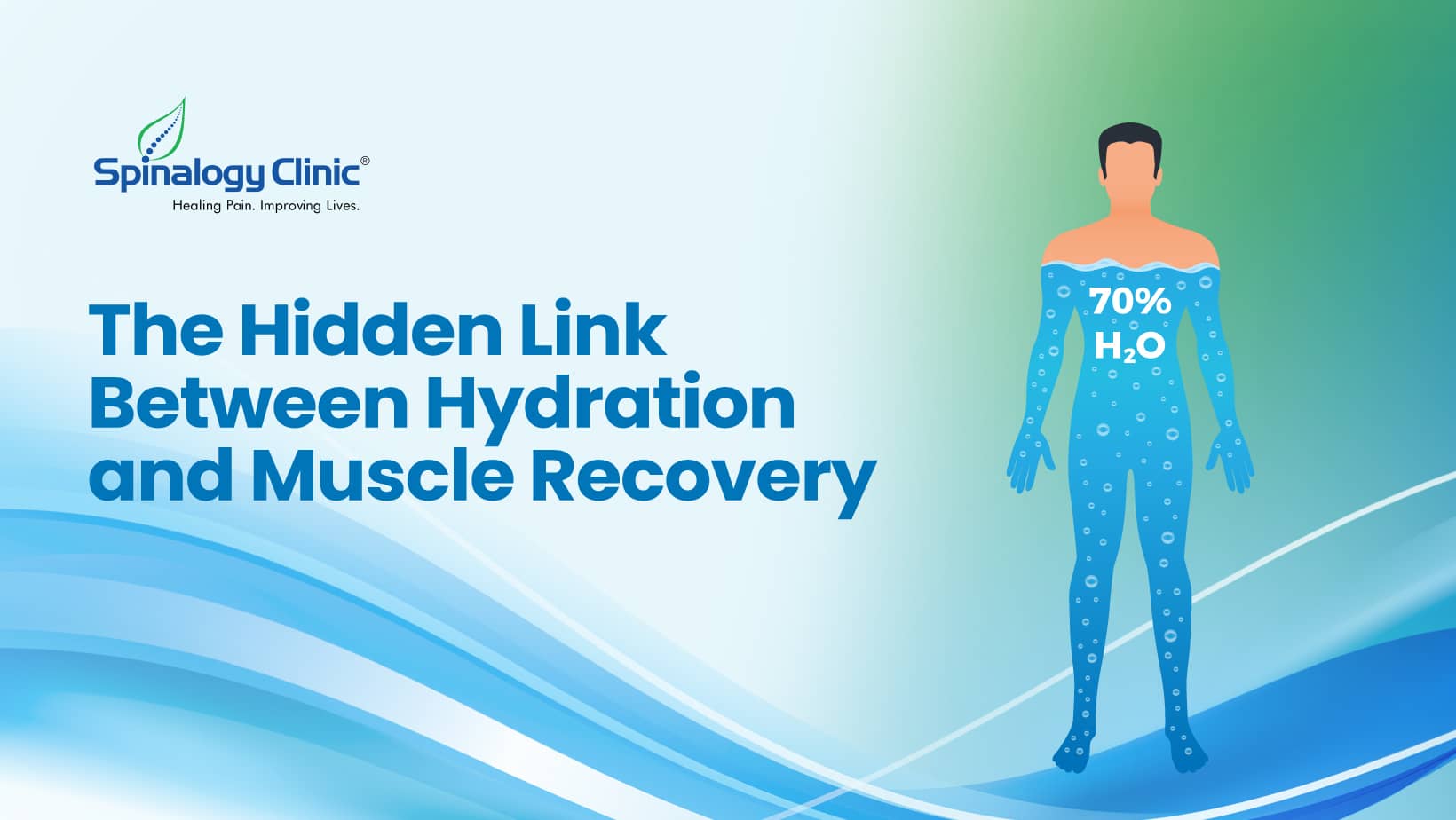
At Spinalogy Clinic in Pune, we frequently observe that people dealing with recurring muscle tightness and delayed recovery rarely consider their hydration levels. While structural alignment and movement patterns are crucial, the body’s fluid balance plays a foundational role in how muscles function and heal. Water comprises around 75% body weight in infants to 55% in the elderly.
And this is why understanding this hidden link between hydration and muscle recovery is crucial.
The Science: Why Your Muscles Crave Water
To understand muscle recovery, we must first look at the composition of the human body. Skeletal muscle has high water content. When you are adequately hydrated, your blood volume remains stable, allowing for efficient circulation.
Dehydration directly impacts the elasticity of your muscles. Imagine a dried-out sponge; it is brittle, stiff, and prone to tearing when stretched. On the other hand, a wet sponge is pliable and resilient. Your muscles behave similarly. Without sufficient fluid, muscle fibers become less elastic, significantly increasing the risk of micro-tears and inflammation. Furthermore, water serves as the medium for "cellular logistics." It transports vital nutrients and oxygen to the site of muscle damage and flushes out metabolic waste products, such as lactic acid, that accumulate during physical stress.
How Hydration Accelerates Muscle Recovery
The link between fluid intake and chronic muscle pain treatment is deeper than simply quenching thirst. Proper hydration supports recovery through several key mechanisms:
- Nutrient Delivery: Water is the primary component of blood plasma. It carries glucose, electrolytes, and amino acids, the building blocks of muscle, to the tissues that need them most after a strenuous day.
- Temperature Regulation: Staying hydrated helps maintain your core body temperature. Overheating can lead to premature muscle fatigue and oxidative stress, which slows down the healing process.
- Lubrication and Friction Reduction: Hydration ensures that the fascia (the connective tissue surrounding muscles) remains lubricated. This allows muscles to glide over one another smoothly, reducing stiffness and restricted movement.
- Electrolyte Balance: Proper hydration isn't just about water; it’s about the balance of minerals like sodium, potassium, and magnesium. These electrolytes are responsible for the electrical signals that trigger muscle contraction and relaxation. A deficit often leads to the dreaded "midnight cramps" or sudden spasms during activity.
Signs You Are Not Hydrated Enough
Many people wait until they feel thirsty to drink water. By that time, the body is already in a state of mild dehydration. If you are struggling with slow recovery, look out for these red flags:
- Persistent Muscle Tightness: Feeling "stiff" even after a light walk or a day at the desk.
- Unexplained Fatigue: Feeling lethargic despite getting adequate sleep.
- Frequent Headaches: Often a sign that your blood volume is low and your brain is signaling for more fluid.
- Slow Healing: Minor muscle strains take weeks to resolve rather than days.
- Dark Urine: A classic indicator that your kidneys are working overtime to conserve water.
Practical Hydration Tips for the Pune Climate
Pune’s weather can be deceptive; even during the cooler months, the dry air can deplete your body’s moisture levels. To optimize your muscle recovery, consider these practical steps:
- The Baseline Rule: While the "8 glasses a day" rule is a good start, active individuals often need more. Aim for roughly 30-35ml of water per kilogram of body weight.
- Pre-and Post-Activity Hydration: Drink 500ml of water two hours before physical activity and continue to sip small amounts every 20 minutes during exertion. Afterwards, prioritise replenishment within the first hour.
- Don't Forget Electrolytes: If you are sweating heavily, plain water may not be enough. Incorporate natural electrolyte sources like coconut water, lemon water with a pinch of salt, or diluted fruit juices to maintain mineral balance.
- Monitor Environmental Factors: During Pune's peak summer or particularly dry weeks, increase your intake of hydrating foods like cucumbers, watermelons, and oranges.
When Hydration Isn’t Enough
Drinking enough water is essential for overall health, but it isn’t a cure-all for persistent muscle issues. If you’re staying hydrated yet still experiencing ongoing muscle pain, stiffness, or recurring injuries, it could be a sign of a deeper musculoskeletal problem.
Chronic discomfort often stems from underlying issues like joint misalignment, disc concerns, or nerve irritation, conditions that hydration alone cannot fix. Ignoring these signals can lead to long-term damage, reduced mobility, and a decline in quality of life.
This is where expert intervention becomes crucial. At Spinalogy Clinic, our orthopaedics in Pune can help you identify the root cause, provide a personalized, non-invasive treatment plan, and guide you toward lasting relief. Don’t wait for temporary remedies; take the step toward real recovery today.
Stay Hydrated For Your Muscle Recovery
Hydration lays the groundwork for muscle recovery, yet it is only one piece of the recovery puzzle. For lasting improvement, consulting ensures you’re addressing the true root causes, optimizing movement, and developing strategies tailored to your body and life.
If you’re ready to optimize recovery and movement through a non-invasive, holistic approach, consider an orthopaedic consultation at Spinalogy Clinic Pune. Our team is dedicated to helping you regain activity, ease, and resilience, without surgery. Let us partner with you to restore muscle function and return you to the activities you love.
After all, your body deserves pain-free movement!