Treatment for Spinal Stenosis in the Elderly: Here's What to Know
You may have noticed your parent or grandparent walking a little slower these days. Maybe they stop to rest after a short distance. Maybe they mention a dull ache in the lower back that seems to travel down into the legs. It is easy to brush this off as just a part of growing older. But if the pain, numbness, or heaviness in the legs keeps coming back, it may be more than ordinary wear and tear.
This is often how spinal stenosis shows up in elderly patients. At Spinalogy Clinic, Pune, we meet families every week who are simply looking for clarity. So let us walk you through what spinal stenosis actually is, why it happens, and what can be done about it.
What Is Spinal Stenosis?
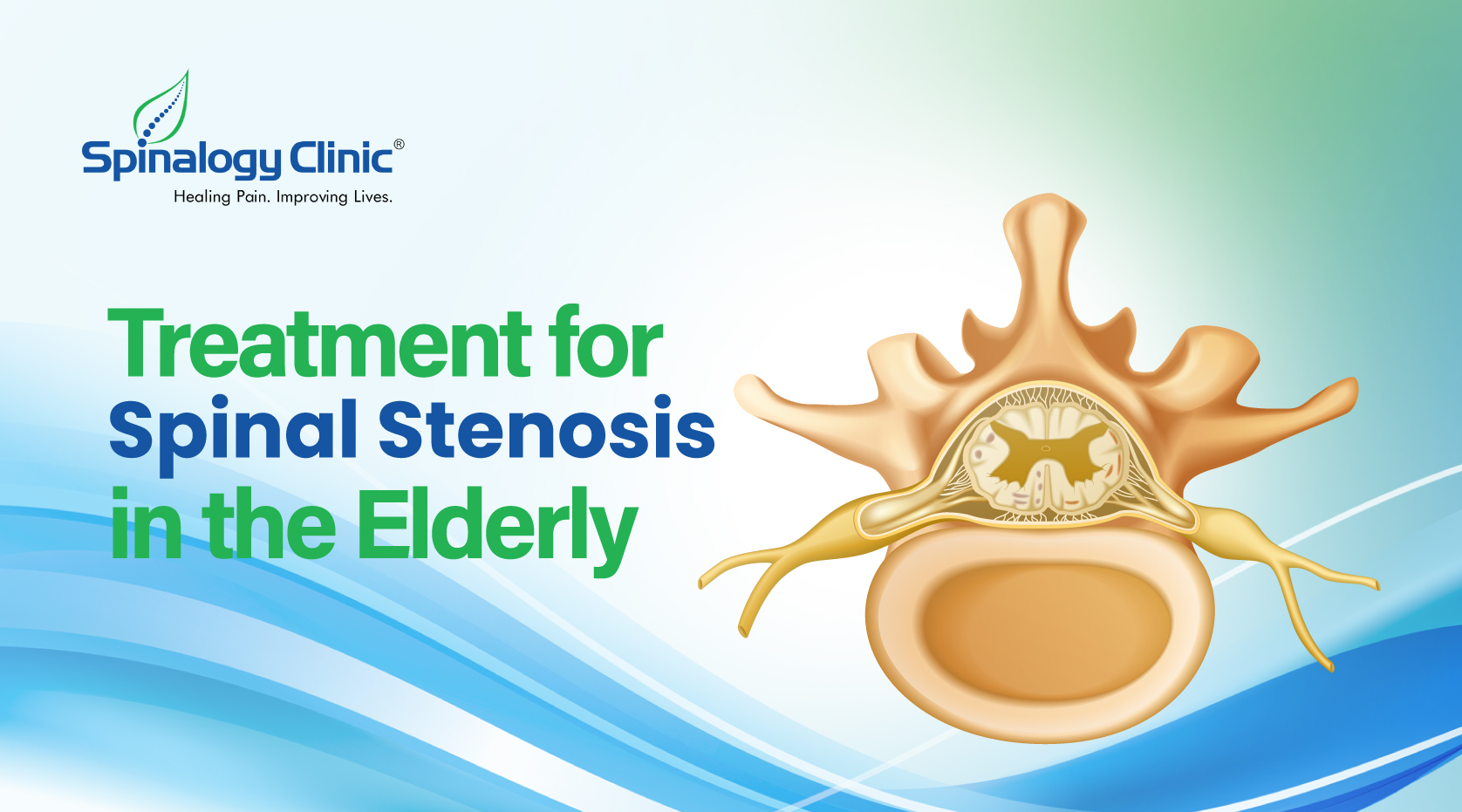
Spinal stenosis is a condition where the space inside the spinal canal becomes narrower, putting pressure on the nerves that travel from the spine to the legs. This narrowing can cause symptoms like back pain, leg pain, numbness, tingling, and weakness, especially while standing or walking. The spine acts like a protective tunnel for the spinal cord and nerves. Over time, age related changes such as worn out discs, enlarged joints, or thickened ligaments can reduce the available space inside this tunnel. When the nerves become compressed, it can affect movement and comfort. It can also happen in the neck region.
Learn more about cervical spinal canal stenosis.
What Causes Spinal Stenosis in Elderly People?
The discs between your spinal bones lose water content and flatten with time, which reduces the cushioning they once provided. Arthritis in the spine can lead to bone spurs, small bony growths that take up space inside the canal. The ligaments that hold the spine together can thicken over the years, adding further pressure on the nerves. Older spine injuries, even ones from decades ago, can also contribute. And degenerative spine conditions, where joints and discs wear down together, often bring several of these changes at once.
None of these causes are anyone's fault. They are simply part of how the spine ages, and understanding them is the first step toward proper spinal stenosis treatment.
What Are the Symptoms of Spinal Stenosis?
Common spinal stenosis symptoms include:
- Lower back pain that comes and goes
- Pain that spreads into the buttocks or legs
- Tingling or numbness in the legs or feet
- Weakness that makes the legs feel heavy
- Difficulty standing for long periods
- Trouble walking longer distances without stopping
- Relief when sitting down or bending forward slightly
If any of these symptoms are affecting daily life, it is time to speak with a spine specialist rather than waiting for things to improve on their own.
How Is Spinal Stenosis Diagnosed in Elderly Patients?
Diagnosis usually begins with an honest conversation. Your doctor will ask about your symptoms, how long they have lasted, and what makes them better or worse. This is followed by a physical examination to check strength, reflexes, and balance.
When needed, an MRI or other imaging test helps show exactly how much the spinal canal has narrowed and how much pressure is on the nerves. This step matters because it tells us the true severity of the condition, which shapes every decision that follows. Getting this right the first time avoids unnecessary trial and error.
What Are the Non-Surgical Spinal Stenosis Treatment Options?
Treatment for spinal stenosis depends on the severity of symptoms, overall health, and how much the nerves are affected. In many elderly patients, non surgical and multidisciplinary treatments can provide significant relief.
1. Medicines for Pain Relief- Medication is often the first step. Anti inflammatory medicines such as NSAIDs may help reduce pain and swelling around the nerves. The aim is simply to make daily activities more comfortable. In elderly patients especially, these medicines should only be taken under a doctor's guidance.
2. Spinal Injections- Cortisone injections given around the affected area of the spine can calm down inflammation near irritated nerves. They often give temporary relief and can make it easier to take part in physiotherapy.
3. Physical Therapy- Physiotherapy plays a central role in spinal stenosis treatment. A good physiotherapy for spinal stenosis plan works on strengthening the back and core muscles, improving flexibility, correcting posture, and teaching safer ways to move. Every plan is customised, because no two patients walk in with the same history.
4. Non Surgical Multidisciplinary Care- The best outcomes often come from a team approach. Our spine specialists, physiotherapists, and pain management experts at Spinalogy Clinic can build a personalised plan of non surgical spine treatment that addresses the whole picture, not just one symptom.
Can Spinal Stenosis Be Managed Without Surgery?
Yes, in many cases. A large number of elderly patients see real improvement through proper non surgical management, including exercises, lifestyle adjustments, and regular follow up visits. Early consultation makes a real difference here. Catching the condition early, before it starts limiting independence and daily life, gives you far more treatment options to work with.
Heal Spinal Stenosis With Non-Surgical Treatment in Pune
Growing older does not mean you have to accept constant pain or reduced mobility as your new normal. With an accurate diagnosis and a personalised spinal stenosis treatment plan, many elderly patients regain their comfort, their movement, and their confidence to go about daily life.
If you or a loved one has been searching for spinal stenosis treatment in Pune, consult our spine specialists to understand the right treatment approach for your condition. We are here to listen, explain things clearly, and guide you toward feeling like yourself again.
Get rid of pain, get back to your healthly life again!